Em agosto de 2024, a Starbucks anunciou a saída de seu CEO, Laxman Narasimhan, menos de dois anos após sua nomeação. O período foi marcado por queda nas vendas globais, tensões com sindicatos e críticas públicas do fundador Howard Schultz. Poucas semanas depois, a companhia nomeou Brian Niccol, então CEO da Chipotle, como seu novo CEO e presidente do conselho. A mudança trouxe à tona debates sobre perfil de liderança, alinhamento cultural e justificativa para pacotes de remuneração milionários. Este caso convida os participantes a avaliar essas decisões sob a ótica do conselho de administração, com base em dados reais, evidências teóricas e indicadores de desempenho.
The CEO Fit Dilemma: Starbucks and the Cost of a Misaligned Leader - Business Case
Case Overview
This case examines the leadership transition at Starbucks between 2022 and 2024, focusing on the appointment and departure of CEO Laxman Narasimhan and the subsequent hiring of Brian Niccol. It explores issues related to CEO-company fit, executive performance under pressure, and the design and justification of high-level compensation packages. The case invites participants to evaluate leadership choices from the perspective of a board of directors, using real-world data and contrasting executive profiles to understand the risks and consequences of strategic misalignment at the top.
The CEO Fit Dilemma: Starbucks and the Cost of a Misaligned Leader - Business Case
In September 2022, Starbucks announced Laxman Narasimhan as its next CEO. With nearly 20 years at McKinsey and senior roles at PepsiCo and Reckitt, he was seen as a strategic, globally minded leader. Yet his background was rooted in consumer goods and consulting — worlds apart from the high-touch, operations-heavy retail culture of Starbucks. It wouldn’t take long for this gap to collide with the realities of a company under growing operational and labor pressure.
At that time, Starbucks was facing growing internal and external pressures: slowing international growth, rising labor union activity in the United States, and increasing scrutiny from activist investors. Narasimhan launched a strategic reinvention plan and made public commitments to modernize operations and expand globally.
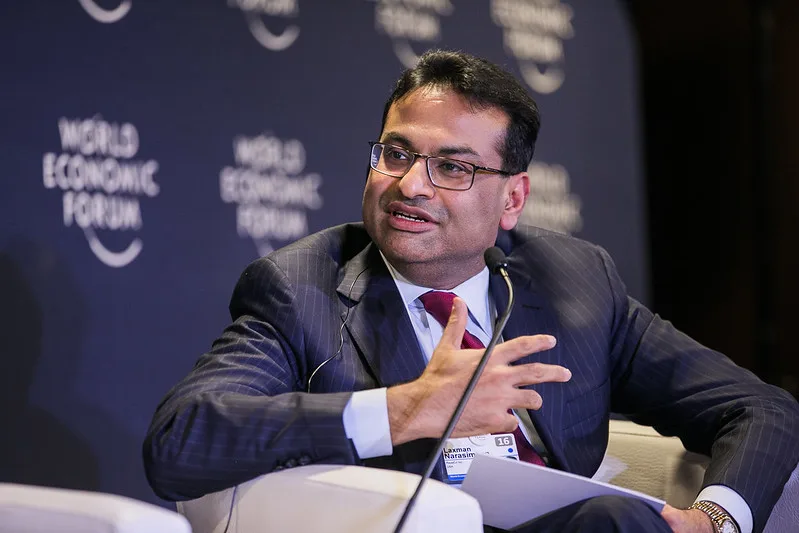
Do you think he would be a good CEO? Why? Why not?
Results of Laxman Narasimhan time as CEO of Starbucks
During his 17 months as CEO, Starbucks saw global same-store sales drop 2%, with a steep 14% decline in China — one of its most critical growth markets. U.S. transactions also fell 10%, signaling weakening customer engagement in the company’s home market. At the same time, tensions with labor unions escalated, and internal alignment deteriorated, leading to rare and public criticism from former CEO and founder Howard Schultz. By August 2024, amid declining performance and growing internal discord, Narasimhan stepped down.
Brian Niccol as CEO
Soon after, Starbucks appointed Brian Niccol - then CEO of Chipotle - as its new Chief Executive Officer and Executive Chairman. Niccol had joined Chipotle in 2018 and was widely credited with reviving the brand, doubling revenues, and improving profitability.
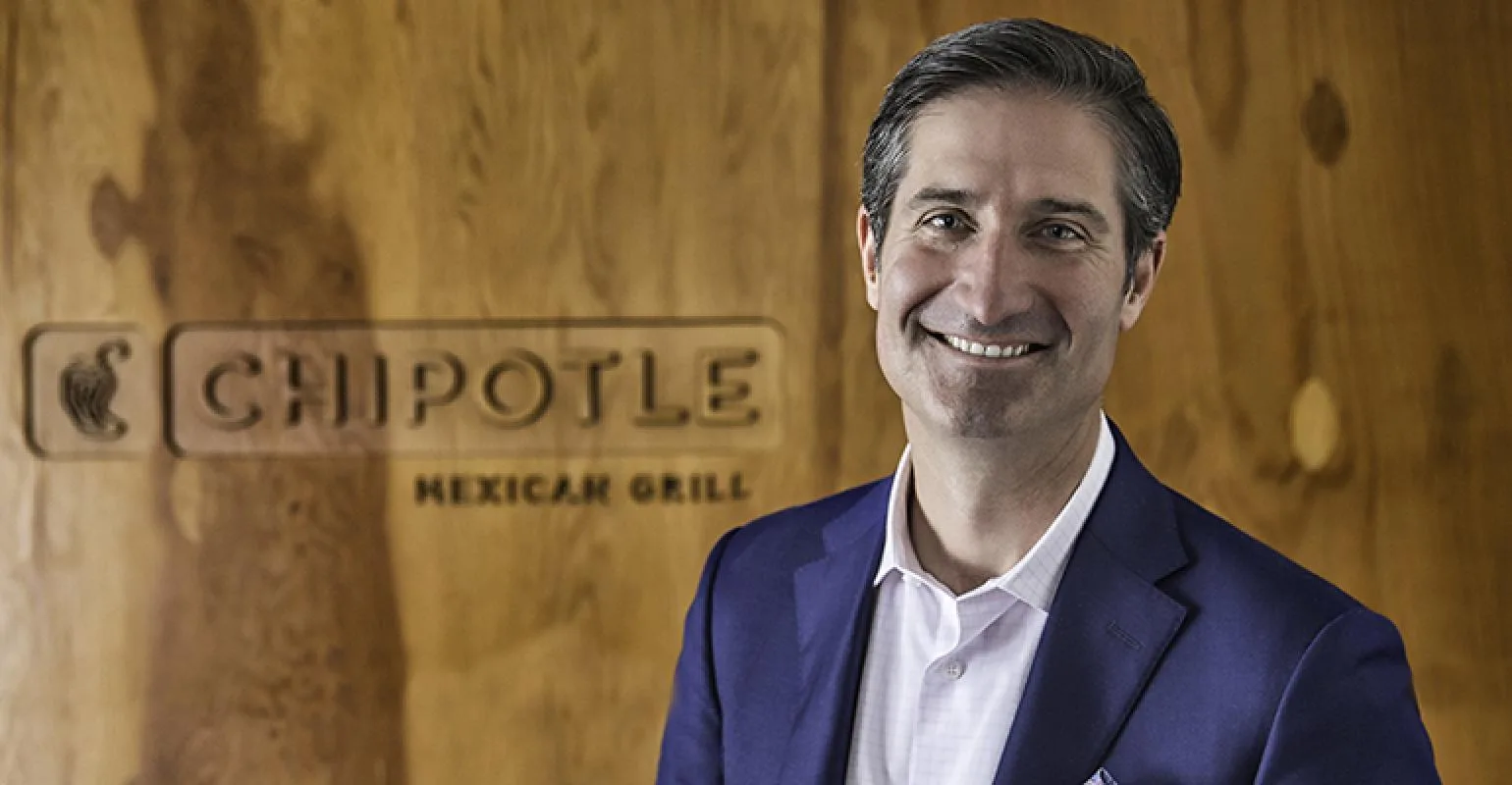
Both executives were compensated with multi-year equity-based packages, including time-based and performance-based awards. According to public filings and media reports, Narasimhan’s total target compensation in 2023 was between US$ 17 and 20 million, while Niccol’s 2024 package was estimated at up to US$ 100 million, including US$ 70 million in equity awards and a US$ 25 million make-whole grant for forfeited Chipotle compensation. Both packages included vesting periods of 3 to 5 years.
Do you think he would be a good CEO? Why? Why not?
Niccol’s appointment was positively received by investors and analysts, and the board cited the need for operational expertise and cultural alignment as key reasons for the leadership change. But the future is not clear.
Exhibit 1 – Executive Compensation Summary (Starbucks CEOs)
| Component | Laxman Narasimhan (2023) | Brian Niccol (2024) |
|---|---|---|
| Base Salary | US$ 1.3 million/year | US$ 1.5 million/year |
| Equity-Based Compensation | US$ 15.2 million | US$ 70 million |
| Make-whole Grant | US$ 9.3 million | US$ 25 million |
| Total Target Compensation | Approx. US$ 17–20 million | Up to US$ 100 million |
| Vesting Schedule | 3–5 years, time- and performance-based | 3–5 years, time- and performance-based |
Exhibit 2 – Starbucks KPI Comparison: Narasimhan vs. Niccol
| KPI | Laxman Narasimhan (FY2024) | Brian Niccol (Q1 FY2025) |
|---|---|---|
| Global Same-Store Sales | –2% | –4% |
| China Same-Store Sales | –14% | ~flat |
| US Transactions | –10% | ~ flat |
| China Transactions | –6% | +2% |
| Average Ticket (US) | +4% | Not disclosed |
| Revenue | US$ 36.2B (full year) | US$ 9.4B (quarter) |
| Operating Margin (NA) | 14.4% (Q4 FY24) | ~15% (estimated improvement) |
| Net New Stores | +722 (FY24) | Not disclosed (continued expansion) |
| Annual Barista Turnover | Not disclosed | <50% |
| Stock Price Change | –12% YTD (2024) | +30% since appointment |
What makes a good CEO?
Research shows that good CEOs consistently demonstrate traits and behaviors linked to measurable outcomes:
- Execution discipline – turns plans into results, improving margins, ROIC, and operational KPIs (Bloom and Van Reenen, 2007; Bertrand and Schoar, 2003).
- Learning agility – quickly absorbs feedback and adapts under uncertainty, a strong predictor of sustained performance (De Meuse, Dai and Hallenbeck, 2010; Kaplan and Sorensen, 2017).
- Talent magnet – attracts, develops, and retains top people, which correlates with higher productivity and financial returns (Huselid, 1995).
- Clear communication – aligns employees, investors, and customers around a coherent vision, boosting engagement and long-term returns (Edmans, 2011).
- Resilience under pressure – maintains decision quality and operational focus during crises, supporting organizational adaptation and survival (Sutcliffe and Vogus, 2003).
- Strategic clarity – diagnoses challenges accurately and directs resources effectively to outperform peers (Rumelt, 2011; Bertrand and Schoar, 2003).
- Stakeholder balance – manages the trade-offs between shareholders, employees, customers, and regulators in ways that sustain long-term value (Flammer, 2015).
But in all cases, fit is necessary.
CEO Fit Matrix
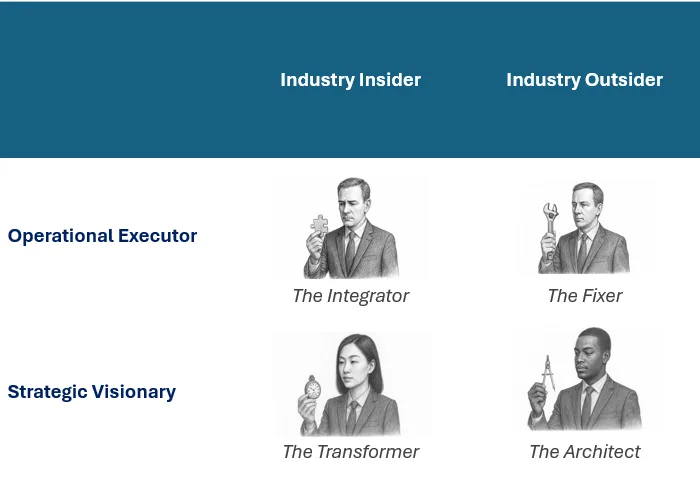
Discussion
- Where would you place each CEO based on background and performance?
- What quadrant did Starbucks need in 2022? And in 2024?
- What risks are associated with choosing an “Outsider Visionary” vs. an “Insider Executor”?
- Should boards prioritize vision or execution under pressure?
Key Takeaways
- CEO effectiveness depends not only on skills or experience but on alignment with the company’s context and culture.
- Narasimhan wasn't “bad” – he was likely a misaligned leader for Starbucks’ specific moment: operational challenges, cultural expectations, and frontline complexity.
- CEO fit is dynamic: what works in one context or company may not transfer to another.
- High compensation packages are not inherently excessive; when tied to performance, they can be efficient tools for attracting and retaining top-tier talent.
- Board decisions under uncertainty must consider trade-offs between strategic vision and operational readiness, external image and internal trust, and long-term bets versus short-term stability.
Learning Objectives
- Understand the importance of aligning CEO profile with company needs and culture
- Evaluate leadership performance under operational and political pressure
- Analyze executive compensation using market benchmarks and performance logic
- Practice decision-making from a board perspective under uncertainty
- Explore the challenges of managing stakeholder expectations during leadership transitions
Pratique inglês com música e jogos no Fill The Song — outra ferramenta gratuita da nossa rede. E se o objetivo é evoluir para o trabalho, conheça o curso de inglês para executivos da Lingualize.
Procurando aulas? Veja a aula particular de inglês, a aula de conversação e todas as aulas da Lingualize.