
O que uma equipe de futebol como o PSG pode ensinar sobre estratégia empresarial? Muito mais do que você imagina. Ao longo da última década, o Paris Saint-Germain apostou em contratar estrelas globais como Neymar, Messi e Mbappé para construir um império de marketing e visibilidade. Mas quando os resultados em campo decepcionaram, o clube entendeu que sem cultura e coesão, nem as maiores estrelas garantem sucesso sustentável. Nesta leitura, você vai descobrir as lições que a transição do PSG — de um time de estrelas para um time coletivo — traz para empresas de qualquer setor.
PSG’s Team-Building Shift: From Star Power to Collective Strength — Lessons for Business Strategy
When Nasser Al-Khelaïfi took over PSG in 2011 through Qatar Sports Investments, the club launched an ambitious project to become a global football giant.
The first phase focused on star power. The idea was simple: acquire world-famous players like Beckham, Ibrahimović, Neymar, Mbappé, and Messi. The assumption was that international stars would bring visibility, marketing deals, commercial revenues, and, of course, titles.
This approach echoed the famous Galáctico policy, a strategy whose origins date back to the 1950s and 1960s. Although the term Galáctico became popular in the 2000s with Real Madrid, the policy was first founded by club president Santiago Bernabéu. Bernabéu signed multiple star players for large fees in quick succession, such as Alfredo Di Stéfano, Francisco Gento, Raymond Kopa, Héctor Rial, Ferenc Puskás, and José Santamaría. This strategy delivered tremendous success: Real Madrid won twelve La Liga championships and six European Cups during that era.

Team-building mistakes emerged quickly. While PSG dominated French football, the Champions League remained elusive. The strategy created a roster full of individual brilliance but low on cohesion. Key issues:
- Lack of collective identity: The team played in function of the stars, not as a tactical unit.
- Hierarchy and ego management: Managing a locker room with multiple global egos is hard. Clashes, factions, and motivation problems arose.
- Defensive balance: Many stars did not contribute defensively, leaving the team vulnerable in big matches.
- Short-term thinking: Marketing often seemed prioritized over building a sustainable footballing culture.
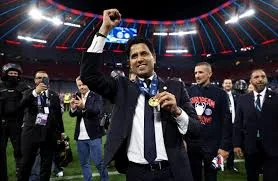
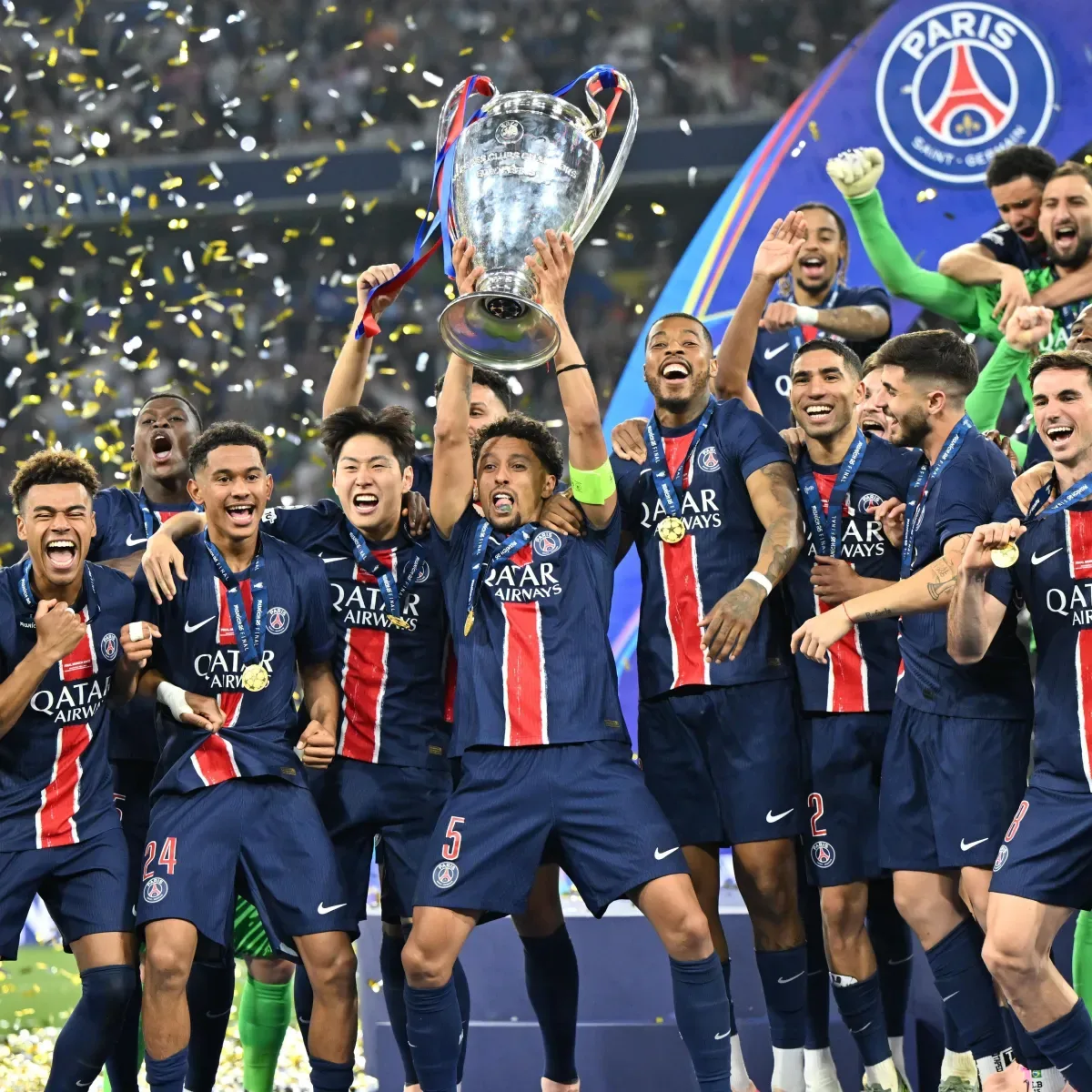
After the disappointing 2022-23 season, Al-Khelaïfi acknowledged the need for change: "less glamour, more discipline." The club let go of Messi and Neymar and brought in players like Ugarte, Dembélé, Désiré Doué and young, hungry talents. The focus shifted to athleticism, teamwork, tactical adaptability, and creating a collective spirit.
Lessons from the PSG journey:
- Stars ≠ automatic success. In football, a team’s structure, chemistry, and balance are crucial.
- Culture beats marketing. A winning culture sustains long-term success better than relying on global celebrities.
- Tactical identity matters. Teams need a clear way of playing that is not dependent on individual stars.
- Sustainable squad planning works better than yearly star chases.
Discussion: Which strategy is better?
Which approach leads to greater success — stacking your organization with stars, or building a cohesive, high-performing team?
Does your business need fast visibility or sustained performance?
Do your customers value image or consistent delivery?
Are you prepared to manage big egos and the risks that come with them?
Is long-term culture more important than short-term buzz?
Is your product judged by perception or by tangible results?
Does your leadership have the skills to keep a star-driven strategy stable?
Is your market one where attention fades quickly or where reputation compounds over time?
Insight
Businesses built on influence and brand perception — fashion, entertainment, luxury — often thrive with stars. Visibility and association with fame drive sales.
Businesses built on execution, innovation, or operational excellence — tech, consulting, industrials — need strong teams. Here, reliability and depth matter more than name recognition.
There is no universal answer. Each company must assess its context, customers, and leadership culture. The wrong strategy in the wrong setting can create chaos or mediocrity.
Conclusion
Ask the right questions before choosing. Your strategy should fit your market, your product, and your culture — not just your ambition.
Pratique inglês com música e jogos no Fill The Song — outra ferramenta gratuita da nossa rede. E se o objetivo é evoluir para o trabalho, conheça o curso de inglês para executivos da Lingualize.
Procurando aulas? Veja a aula particular de inglês, a aula de conversação e todas as aulas da Lingualize.